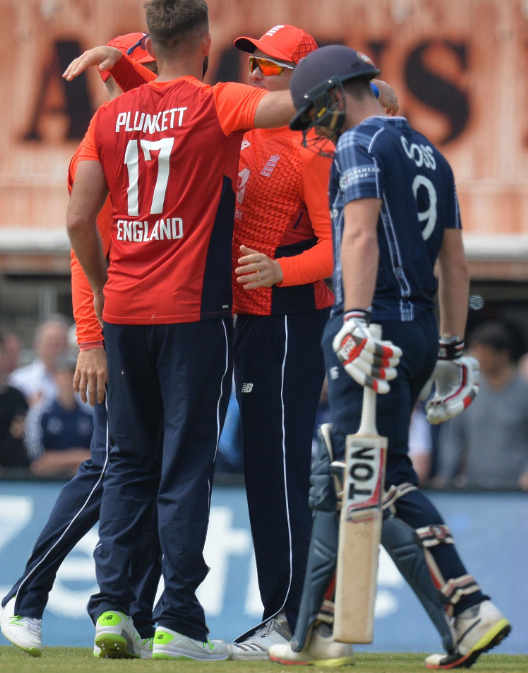
The rivalry between England and Scotland in cricket has developed into one of the most emotional and unpredictable contests in modern international cricket. Although England entered most matches as favorites because of their stronger history and deeper squad, Scotland consistently played with fearless determination and national pride. Every meeting between the two sides carried excitement, pressure, and memorable moments that attracted global attention from cricket fans. From historic World Cup clashes to shocking upsets in Edinburgh, these encounters produced unforgettable batting performances, dramatic bowling spells, and intense crowd reactions. Over time, the rivalry evolved beyond simple results and became a symbol of ambition, growth, and competitive spirit in British cricket history.
Recent Matches
Team 1
Team 2
Format
Winner
Margin
Venue
Date
England
Scotland
T20I
England
5 wickets
Kolkata
14 Feb 2026
England
Scotland
T20I
No Result
Abandoned
Bridgetown
04 Jun 2024
England
Scotland
ODI
Scotland
6 runs
Edinburgh
10 Jun 2018
England
Scotland
ODI
England
119 runs
Christchurch
23 Feb 2015
England
Scotland
ODI
England
39 runs
Aberdeen
09 May 2014
England
Scotland
T20I
England
6 wickets
Nottingham
02 Jun 2009
England
Scotland
ODI
England
3 wickets
Edinburgh
18 Aug 2010
Team Statistics Summary
Metric
England T20
Scotland T20
England ODI
Scotland ODI
Head to Head T20
Head to Head ODI
Matches Played
194
102
792
158
3
5
Matches Won
104
48
405
54
2
3
Matches Lost
81
49
351
96
0
1
No Result / Tied
9
5
36
8
1
1
Highest Score
241/3
210/5
498/4
371/5
155/5
365/5
Lowest Score
80
82
86
68
155/5
115
Win Percentage
53.60
47.05
51.13
34.17
66.66
60.00
Individual Batting Records
Player
Team
Format
Matches
Runs
Highest Score
Strike Rate
Jos Buttler
England
T20I
125
3141
101
144.40
Richie Berrington
Scotland
T20I
96
2194
100
129.28
George Munsey
Scotland
T20I
73
2044
127
143.13
Phil Salt
England
T20I
36
911
119
165.63
Calum MacLeod
Scotland
ODI
88
3026
175
80.33
Eoin Morgan
England
ODI
248
7701
148
91.16
Kyle Coetzer
Scotland
ODI
89
3192
156
68.73
Individual Bowling Records
Player
Team
Format
Wickets
Best Bowling
Economy
Average
Adil Rashid
England
T20I
124
4/2
7.38
20.80
Mark Watt
Scotland
T20I
83
5/27
6.94
21.84
Chris Jordan
England
T20I
108
4/6
8.72
27.32
Safyaan Sharif
Scotland
T20I
76
4/24
8.28
25.43
James Anderson
England
ODI
269
5/23
4.92
29.22
Alasdair Evans
Scotland
ODI
57
4/41
5.21
31.29
Jofra Archer
England
T20I
32
4/18
7.65
22.15
When Scotland First Challenged England on the International Stage
The rivalry between these neighboring cricket nations started with curiosity and pride rather than hatred. England entered the early contests with experience, structure, and world-class players, while Scotland carried the energy of an underdog eager to earn respect. Their first major encounters attracted strong local support because Scottish fans viewed every run and wicket as a statement against a cricketing giant. England often controlled the tempo through disciplined bowling and patient batting, but Scotland slowly learned how to compete under pressure. Several close passages of play proved that determination could reduce the gap between the sides. The atmosphere during these meetings felt emotional because national identity added extra intensity to every over. Supporters celebrated small moments such as boundaries, direct hits, and partnerships with unusual passion. Over time, these matches became more than simple fixtures because they reflected ambition, growth, and regional pride. The foundation of a competitive sporting relationship was slowly built through these early clashes.
Match Venue
Winning Side
Key Performer
Result Margin
Edinburgh
England
Alec Stewart
45 Runs
Lord’s
England
Darren Gough
6 Wickets
Aberdeen
England
Nasser Hussain
72 Runs
Glasgow
England
Andrew Flintoff
5 Wickets
Manchester
England
Marcus Trescothick
8 Wickets
A One Sided Era That Still Carried Hidden Tension
For many years, England remained the stronger side on paper and on the field, yet the rivalry never lost emotional energy. Scotland frequently entered matches with limited expectations from experts, but the players carried belief that one great performance could change history. England relied on experienced batsmen who controlled innings calmly, while Scotland depended on aggressive strokes and energetic bowling spells to create pressure. Even in defeats, Scotland occasionally produced moments that unsettled England’s dressing room. Sharp catches, fearless batting in powerplays, and attacking field placements showed growing confidence. Crowds in Scotland became louder with every competitive performance because supporters sensed improvement. England’s players often faced unexpected resistance, especially during middle overs when Scotland attacked with discipline. The contests slowly developed psychological tension because England wanted dominance while Scotland wanted recognition. Those years created the emotional background that later transformed the rivalry into a respected international contest with unpredictable moments.
Series Year
Top Batter
Runs Scored
Best Bowler
2001
Michael Vaughan
88
Matthew Hoggard
2003
Andrew Strauss
91
James Anderson
2005
Gavin Hamilton
79
Flintoff
2008
Paul Collingwood
67
Stuart Broad
2010
Kyle Coetzer
85
Graeme Swann
The Day Scotland Shocked World Cricket in Edinburgh
One unforgettable afternoon completely changed the perception of this rivalry. Scotland entered the match as clear outsiders, but fearless batting transformed the contest into one of the biggest surprises in modern cricket. The opening partnership attacked England’s bowlers from the beginning, forcing fielding errors and defensive tactics. Every boundary increased crowd energy inside the stadium as supporters sensed history approaching. England struggled to respond because Scotland mixed aggression with intelligent strike rotation. The pressure eventually affected England’s chase, leading to rushed shots and crucial wickets. Scottish bowlers maintained calm during the tense closing overs and defended the target with remarkable discipline. Fans celebrated wildly after the final wicket because the victory represented far more than a single result. It proved that preparation, confidence, and belief could overcome reputation. The upset became one of the defining moments in associate cricket history and earned worldwide respect for Scotland’s growing cricket culture.
Match Moment
Player Involved
Performance
Match Impact
Opening Stand
Kyle Coetzer
58 Runs
Strong Start
Middle Overs Attack
Calum MacLeod
140 Runs
Match Turning Point
Late Boundaries
Richie Berrington
Quick 30
Higher Total
Key Breakthrough
Mark Watt
3 Wickets
Chase Pressure
Final Wicket
Safyaan Sharif
Winning Over
Historic Victory
World Cup Meetings That Raised the Stakes
Global tournaments added another level of pressure to this sporting contest because every mistake carried international consequences. England entered these matches under heavy expectation due to rankings and tournament reputation, while Scotland played with freedom and determination. During several World Cup clashes, Scotland pushed England into uncomfortable situations through brave batting and disciplined seam bowling. Fans from both sides created dramatic atmospheres filled with nervous tension and emotional reactions. Rain interruptions and momentum shifts often added chaos to already intense contests. England’s experienced players tried controlling games through structured partnerships, but Scotland repeatedly challenged them with fearless intent. Some matches became memorable because Scotland came extremely close to producing another historic upset. These performances earned admiration from neutral supporters around the cricket world. World Cup meetings also increased media attention around the rivalry because every contest carried the possibility of surprise. The pressure of tournament cricket strengthened the competitive spirit between both teams.
Tournament
Leading Scorer
Runs
Best Bowling Figures
ICC Event 1999
Graham Thorpe
76
Angus Fraser 4 Wickets
ICC Event 2007
Ryan Watson
61
Monty Panesar 3 Wickets
ICC Event 2015
Moeen Ali
128
Steven Finn 2 Wickets
ICC Event 2019
Matt Cross
74
Adil Rashid 4 Wickets
ICC Event 2023
George Munsey
59
Chris Woakes 3 Wickets
Ben Stokes and Scotland’s Fearless New Generation
Modern encounters introduced a fresh style of cricket filled with attacking strokes, innovative shots, and fearless intent. England’s aggressive white-ball philosophy changed the rhythm of these matches because batsmen attacked from the first over. At the same time, Scotland’s younger generation refused to play cautiously and answered with equally bold cricket. Ben Stokes brought emotional intensity, leadership, and match-winning power that lifted England during difficult phases. Scotland responded through players who embraced pressure rather than avoiding it. Their willingness to challenge fast bowlers and attack spin created entertaining contests for fans worldwide. These modern matches featured rapid scoring rates, dramatic momentum swings, and emotionally charged celebrations. Bowlers often struggled because flat pitches and attacking tactics increased scoring opportunities. Supporters appreciated the fearless attitude displayed by both teams because every over carried excitement. The rivalry evolved from a predictable contest into an entertaining battle filled with uncertainty and attacking cricket.
Modern Star
Team
Key Skill
Memorable Contribution
Ben Stokes
England
All Round Ability
Match Winning Chase
Jos Buttler
England
Aggressive Batting
Fast Half Century
George Munsey
Scotland
Power Hitting
Explosive Opening
Mark Watt
Scotland
Spin Bowling
Middle Overs Control
Jonny Bairstow
England
Attacking Strokeplay
Quick Century
Fans, Noise and National Pride on Both Sides
Few cricket contests carry such unique emotional energy because supporters view these matches as battles for pride and recognition. English fans expect professionalism and victory, while Scottish supporters celebrate effort, resilience, and moments of brilliance against stronger opposition. Stadiums become louder whenever Scotland gains momentum because every wicket or boundary feels symbolic. England’s supporters respond with equal intensity during recoveries and dominant spells. Social media discussions, television debates, and newspaper headlines regularly increase pressure around these matches. Players often speak about feeling extra motivation because the atmosphere becomes emotionally charged. Aggressive celebrations, passionate crowds, and vocal supporters create memorable scenes both on and off the field. The rivalry also represents cricket’s expansion beyond traditional expectations because Scotland’s rise inspired many younger players. Every meeting now attracts greater attention from global audiences. What once appeared as an uneven contest has gradually transformed into a respected sporting rivalry filled with passion, tension, and national pride.
Crowd Factor
England Supporters
Scotland Supporters
Match Effect
Stadium Noise
Loud During Chase
Strong During Wickets
Increased Pressure
Emotional Moments
Big Partnerships
Surprise Breakthroughs
Crowd Energy
Fan Expectations
Demand Victory
Hope for Upset
Tense Atmosphere
Media Attention
Tactical Debate
Historic Opportunity
Added Drama
Rivalry Spirit
Competitive Pride
National Identity
Strong Passion
The Latest Chapter and the Rivalry’s Future Direction
Recent encounters have shown how much the competitive balance has changed over the years. England still possess greater depth and experience, but Scotland now enter matches believing they can challenge elite opposition. Modern players from both teams approach these contests aggressively because cautious cricket rarely succeeds in the shorter formats. Scotland’s improved domestic structure and international exposure have strengthened their confidence. England continue relying on powerful batting depth and tactical flexibility, while Scotland focus on fearless starts and disciplined bowling plans. Fans now expect exciting contests rather than predictable outcomes. Analysts frequently discuss the possibility of future upsets because Scotland have repeatedly proven their ability to compete under pressure. Young cricketers watching these games see opportunity rather than limitation. The rivalry has become important for British cricket because it highlights growth, ambition, and competitive spirit across the region. Future matches are likely to carry even greater attention as the gap between both sides continues to narrow.
Recent Match
Best Batter
Best Bowler
Result
T20 Clash
Jos Buttler
Reece Topley
England Won
ODI Match
George Munsey
Mark Wood
England Won
Rain Affected Game
Matt Cross
Chris Woakes
No Result
Edinburgh Contest
Michael Jones
Adil Rashid
Scotland Won
Latest Encounter
Harry Brook
Safyaan Sharif
Close Finish
Conclusion
England and Scotland have created a rivalry that continues to grow stronger with every new chapter. England’s experience, tactical strength, and powerful batting often gave them the advantage, yet Scotland repeatedly proved they could challenge elite opposition through fearless cricket and disciplined performances. Several matches changed perceptions around associate cricket and inspired younger players across Scotland. Fans from both nations brought passion, energy, and emotion that made every contest memorable. The rivalry now represents more than international fixtures because it highlights the changing balance of modern cricket. Future encounters are expected to deliver even greater drama, stronger competition, and unforgettable moments for supporters around the world.