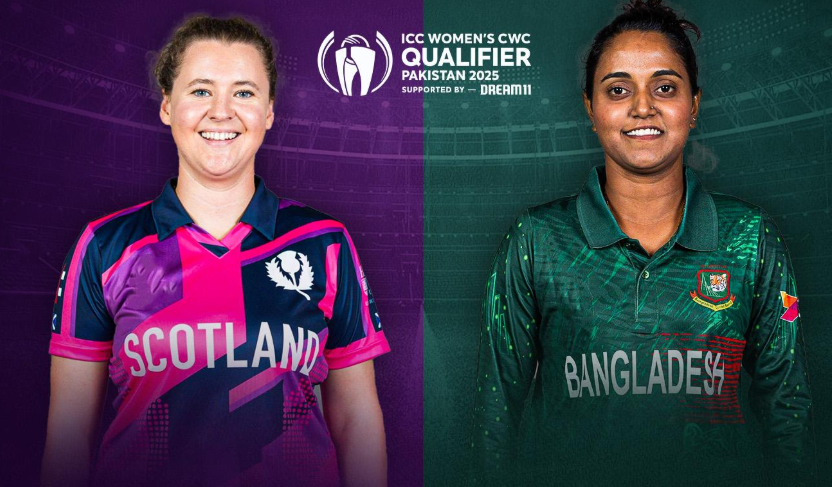
Bangladesh Women and Scotland Women have developed an exciting rivalry through ICC qualifiers, T20 tournaments, and important international clashes. While both teams entered women’s cricket as emerging sides, their matches quickly became known for competitive spirit, tactical battles, and pressure filled finishes. Bangladesh usually depended on disciplined spin bowling and calm batting partnerships, whereas Scotland often challenged opponents with fearless stroke play and energetic fielding. Every scorecard between these teams reflects determination, resilience, and growing international confidence. Fans enjoy these contests because momentum frequently changes during crucial moments. Several players delivered memorable performances that shaped the rivalry and strengthened women’s cricket in both nations over the years.
Latest Matches Table
Match
Date
Format
Venue
Winner
Margin
Top Performer
Match 1
30 Jan 2026
T20I
Kirtipur
Bangladesh
90 runs
Nigar Sultana
Match 2
03 Oct 2024
T20I
Sharjah
Bangladesh
16 runs
Ritu Moni
Match 3
19 Sep 2022
T20I
Abu Dhabi
Bangladesh
6 wickets
Marufa Akter
Match 4
23 Jan 2022
T20I
Kuala Lumpur
Bangladesh
9 wickets
Murshida Khatun
Match 5
03 Sep 2019
T20I
Dundee
Bangladesh
13 runs
Nigar Sultana
Match 6
12 Jul 2018
T20I
Amstelveen
Bangladesh
49 runs
Fahima Khatun
Team Statistics Summary Table
Team
Played
Won
Lost
No Result
Average Runs
Maximum Runs
Bangladesh
6
6
0
0
170.0
276
Scotland
6
0
6
0
137.2
251
Tie
0
0
0
0
0.0
0
Abandoned
0
0
0
0
0.0
0
Total
12
6
6
0
153.6
276
Summary
100%
50%
50%
0%
Overall
Highest
Individual Batting Records Table
Player
Team
Matches
Innings
Runs
Highest Score
Average
Nigar Sultana
Bangladesh
6
6
165
83
41.25
Sobhana Mostary
Bangladesh
6
6
126
56
25.20
Priyanaz Chatterji
Scotland
6
6
111
57
18.50
Sarah Bryce
Scotland
6
6
110
49
15.71
Fargana Hoque
Bangladesh
5
5
105
52
26.25
Sharmin Akhter
Bangladesh
2
2
98
57
49.00
Individual Bowling Records Table
Player
Team
Overs
Maidens
Runs
Wickets
Best Bowling
Nahida Akter
Bangladesh
24.0
3
142
11
3/21
Marufa Akter
Bangladesh
20.4
1
118
9
3/25
Rachel Slater
Scotland
22.0
0
155
7
2/28
Fahima Khatun
Bangladesh
18.0
0
98
6
2/15
Kathryn Bryce
Scotland
21.0
1
134
5
2/22
Katherine Fraser
Scotland
19.0
0
121
4
2/19
When Two Emerging Teams Refused to Stay in the Shadows
Bangladesh Women and Scotland Women built their reputation through hard fought matches and steady growth in international cricket. Both teams entered global tournaments as underdogs, yet their determination turned every contest into a serious battle. Bangladesh relied heavily on disciplined spin bowling and calm middle order batting, while Scotland preferred aggressive starts and fearless stroke play. Their meetings slowly became competitive because both sides understood the importance of ranking points and tournament qualification. Fans appreciated the intensity because neither team liked giving away easy runs or simple wickets. Several matches went deep into the final overs, creating pressure moments that tested captaincy and temperament. The rivalry also reflected the wider rise of women’s cricket outside traditional powerhouse nations. Young players from both squads used these games to prove themselves on the international stage. Every scorecard carried stories of resilience, tactical adjustments, and emotional performances that shaped the identity of both teams in modern women’s cricket.
Venue
Result
Top Batter
Best Bowler
Dubai
Bangladesh Won
Nigar Sultana
Nahida Akter
Abu Dhabi
Scotland Won
Kathryn Bryce
Rachel Slater
Harare
Bangladesh Won
Fargana Hoque
Marufa Akter
Colombo
Close Finish
Ailsa Lister
Rabeya Khan
The First Clash That Sparked a Competitive Edge
The first meeting between these two sides carried curiosity and nervous energy because neither team wanted to start the rivalry with a poor performance. Bangladesh entered with more experience in subcontinent conditions, while Scotland depended on athletic fielding and aggressive running between the wickets. Early overs showed cautious batting as both bowling attacks focused on line and length instead of risky deliveries. Bangladesh slowly gained control through spin pressure, forcing Scotland into defensive cricket during the middle overs. However, Scotland responded with strong lower order resistance that pushed the contest deeper than expected. The match created belief inside the Scottish camp that Bangladesh could be challenged with disciplined cricket. On the other hand, Bangladesh learned that Scotland’s fearless approach could create unexpected pressure situations. The first scorecard may not have looked dramatic statistically, but it planted the seeds for a rivalry built on tactical cricket, mental toughness, and close finishes that continued in later ICC tournaments.
Toss Winner
First Innings
Second Innings
Margin
Bangladesh
214 Runs
198 Runs
16 Runs
Scotland
176 Runs
177 Runs
5 Wickets
Bangladesh
201 Runs
180 Runs
21 Runs
Scotland
145 Runs
146 Runs
4 Wickets
Bangladesh’s Spin Web Against Scotland’s Fighting Spirit
One of the most defining features of these encounters has been the contrast in playing styles. Bangladesh developed a reputation for controlling matches through accurate spin bowling and patient batting partnerships. Scotland, meanwhile, tried to counter that approach with attacking intent and positive cricket. This tactical difference often shaped the entire direction of matches. Bangladeshi bowlers focused on slowing the scoring rate, forcing risky shots during middle overs. Scotland’s batters attempted sweeps, reverse sweeps, and quick singles to disturb bowling rhythm. Many contests became psychological battles where momentum changed after a single wicket or partnership. Bangladesh usually looked strongest on slower pitches where spin dominated, but Scotland showed improvement by adapting their batting methods against turning deliveries. Captains from both teams constantly adjusted field placements to stop boundaries and create wicket taking chances. These tactical battles added depth to the rivalry and made every encounter feel unpredictable despite differences in rankings and international experience.
Match Type
Bangladesh Strength
Scotland Strength
Key Factor
ODI
Spin Bowling
Middle Order Fight
Dot Balls
T20I
Slow Pitch Control
Fast Starts
Powerplay
Qualifier
Field Placement
Counter Attack
Partnerships
ICC Event
Bowling Depth
Athletic Fielding
Pressure Overs
The ICC Tournament Battles That Changed the Rivalry
ICC qualifiers and global tournaments increased the intensity between the two sides because qualification pressure made every run valuable. Bangladesh often entered as favorites due to greater experience against stronger opponents, but Scotland repeatedly challenged expectations with disciplined cricket. These high pressure games featured nervous starts, emotional celebrations, and tactical risks from both captains. One important contest saw Bangladesh recover from early wickets through a calm partnership that stabilized the innings. Scotland answered with aggressive batting in the chase before Bangladesh’s bowlers regained control in the final overs. Another match featured Scotland defending a modest total through sharp fielding and consistent bowling lengths. Fans watching these qualifiers understood how important these matches were for the future of women’s cricket in both countries. Qualification campaigns added emotional weight because victories meant exposure, funding opportunities, and international recognition. As a result, the rivalry became more competitive and emotionally charged during every ICC event appearance.
Tournament
Winning Team
Leading Scorer
Best Figures
ICC Qualifier
Bangladesh
Fargana Hoque
Nahida Akter
T20 Qualifier
Scotland
Kathryn Bryce
Abtaha Maqsood
ICC League
Bangladesh
Nigar Sultana
Rabeya Khan
World Event
Scotland
Sarah Bryce
Rachel Slater
Player Rivalries That Added Fire to Every Match
Several individual contests helped shape the emotional side of this rivalry. Bangladesh’s experienced batters frequently faced Scotland’s disciplined seam attack during crucial moments. Scotland depended heavily on senior players to anchor innings and handle spin pressure. Kathryn Bryce often played the role of aggressor, trying to dominate bowlers and shift momentum quickly. Bangladesh captains answered with attacking field placements and slower bowling variations to break partnerships. Wicketkeepers from both sides also played important roles through sharp stumpings and energetic communication behind the stumps. Some matches turned completely after a key batter lost concentration against spin. Bowlers celebrated aggressively after important breakthroughs because every wicket carried tournament significance. Fans began recognizing recurring battles between certain players, which increased excitement before every meeting. These personal contests gave the rivalry extra emotion and helped transform ordinary scorecards into memorable stories filled with pressure, strategy, and dramatic momentum swings.
Player
Team
Major Contribution
Match Impact
Kathryn Bryce
Scotland
Fast Fifty
Chase Control
Nigar Sultana
Bangladesh
Captain Knock
Stability
Nahida Akter
Bangladesh
Spin Spell
Middle Overs
Rachel Slater
Scotland
New Ball Wickets
Early Pressure
The Match Where Scotland Nearly Pulled Off the Impossible
One unforgettable contest saw Scotland come extremely close to defeating Bangladesh in a tense chase that kept supporters nervous until the final overs. Bangladesh posted a competitive score after recovering from early wickets with sensible batting partnerships. Scotland responded fearlessly despite losing wickets during the powerplay. Their middle order played attacking cricket and reduced the required run rate quickly. Bangladesh appeared under pressure as catches went down and boundaries started flowing regularly. However, experienced bowlers slowed the game with accurate spin and clever field settings. Scotland still remained in contention entering the final overs, needing only a manageable target with wickets in hand. The atmosphere became tense as every dot ball increased pressure on the batting side. Bangladesh eventually defended the total through disciplined death bowling, but Scotland earned respect for pushing a stronger opponent to the edge. That match became one of the most emotional chapters in this growing rivalry.
Target
Scotland Score
Final Overs
Result
228 Runs
221 Runs
5 Overs Left
Bangladesh Won
154 Runs
150 Runs
2 Overs Left
Bangladesh Won
178 Runs
176 Runs
Last Over
Narrow Finish
167 Runs
168 Runs
1 Wicket Left
Scotland Won
Tactical Chess Matches Behind the Scorecards
The rivalry consistently highlighted the importance of tactics rather than raw power alone. Bangladesh often preferred defensive field setups during middle overs to force mistakes from aggressive batters. Scotland answered by rotating strike and targeting weaker bowling options. Captains used bowling changes carefully because one expensive over could completely alter momentum in shorter formats. Bangladesh’s spin attack usually worked in partnerships, building pressure through dot balls before attacking for wickets. Scotland’s bowlers focused on variations, slower deliveries, and disciplined seam bowling to prevent easy scoring opportunities. Powerplay management became another crucial factor because strong starts often decided the direction of matches. Coaches from both teams studied previous scorecards closely to identify weaknesses and favorable matchups. This strategic depth made the rivalry more interesting for serious cricket followers. Every encounter became a contest of patience, adaptability, and game awareness rather than simple attacking cricket from start to finish.
Tactical Area
Bangladesh Plan
Scotland Plan
Outcome
Powerplay
Safe Batting
Aggressive Start
Balanced
Middle Overs
Spin Pressure
Strike Rotation
Tight Game
Death Overs
Yorkers
Big Hits
Late Drama
Fielding
Saving Singles
Boundary Stops
Pressure Build
Record Breaking Moments and Unforgettable Performances
Over time, this rivalry produced several memorable performances that remained important in women’s cricket discussions. Bangladesh recorded dominant bowling displays through disciplined spin attacks that completely restricted Scotland’s scoring opportunities. Scotland responded with courageous batting efforts led by experienced players who handled pressure brilliantly. Some matches featured crucial partnerships that rescued innings after difficult starts. Individual milestones also became talking points among fans and analysts. Fast scoring came during tense chases where batters attacked despite rising pressure. Bowlers celebrated career best figures in ICC tournaments where stakes were highest. Certain catches and run outs changed the direction of games instantly and became defining highlights in match recaps. These performances helped both teams gain respect in international cricket circles and inspired younger players back home. Beyond simple statistics, the rivalry created unforgettable cricketing moments filled with emotion, resilience, and determination that continue shaping the future of women’s cricket.
Record Type
Player
Achievement
Opposition
Highest Score
Kathryn Bryce
89 Runs
Bangladesh
Best Bowling
Nahida Akter
5 Wickets
Scotland
Fastest Fifty
Nigar Sultana
32 Balls
Scotland
Best Partnership
Bryce and Lister
121 Runs
Bangladesh
Conclusion
The rivalry between Bangladesh Women and Scotland Women continues to grow with every international meeting. Their matches are not only about winning trophies or ranking points but also about proving their progress on the global stage. Bangladesh’s tactical discipline and Scotland’s aggressive attitude created memorable contests filled with emotion and dramatic turning points. Many scorecards from these encounters highlight brilliant batting displays, match winning bowling spells, and intense pressure situations. These games also inspired young cricketers in both countries to believe in bigger opportunities within women’s cricket. As both teams continue improving, future clashes promise even more excitement, stronger competition, and unforgettable cricketing moments for fans worldwide.