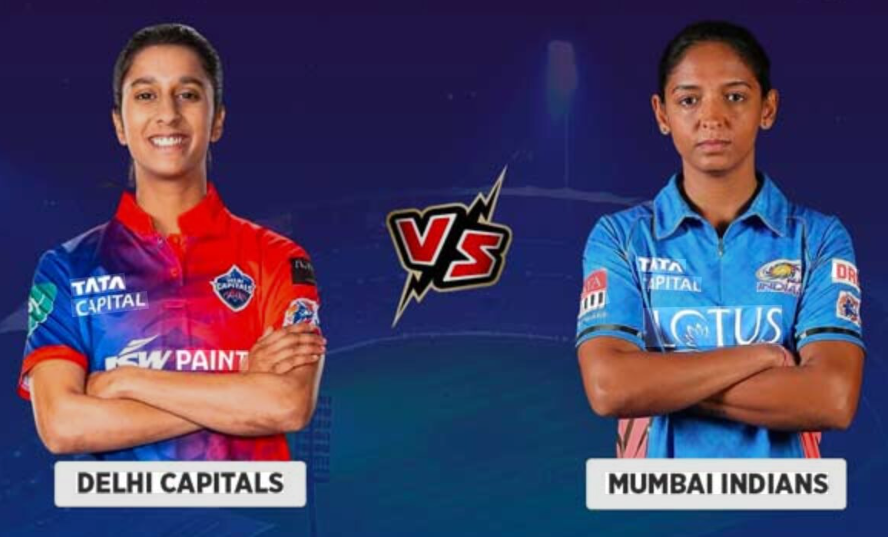
The rivalry between Mumbai Women and Delhi Women has grown into one of the most competitive matchups in domestic cricket, marked by intensity, shifting momentum, and tactical evolution. Every encounter between these two sides brings a unique blend of pressure situations, individual brilliance, and strategic battles. From early cautious meetings to modern high-stakes clashes, both teams have continuously adapted their gameplay to outthink each other. Batting depth, bowling discipline, and fielding sharpness have all played crucial roles in shaping outcomes. This match scorecard story captures their journey, highlighting how every game has contributed to a rivalry built on respect, resilience, and relentless competition.
Latest Matches Table
Match
Date
Winner
Margin
Venue
Royal Challengers Bengaluru vs Gujarat Giants
05 Feb 2026
Royal Challengers Bengaluru
7 wickets
Vadodara
Delhi Capitals vs Gujarat Giants
03 Feb 2026
Delhi Capitals
7 wickets
Vadodara
Royal Challengers Bengaluru vs Delhi Capitals
01 Feb 2026
Delhi Capitals
8 wickets
Vadodara
Mumbai Indians vs Gujarat Giants
31 Jan 2026
Gujarat Giants
5 wickets
Vadodara
Delhi Capitals vs UP Warriorz
30 Jan 2026
Delhi Capitals
6 wickets
Vadodara
Royal Challengers Bengaluru vs Mumbai Indians
29 Jan 2026
Royal Challengers Bengaluru
8 wickets
Vadodara
Gujarat Giants vs UP Warriorz
28 Jan 2026
Gujarat Giants
42 runs
Vadodara
Team Statistics Summary Table
Team
Played
Won
Lost
Points
Net Run Rate
Royal Challengers Bengaluru
8
6
2
12
1.247
Gujarat Giants
8
5
3
10
-0.168
Delhi Capitals
8
4
4
8
-0.055
Mumbai Indians
8
3
5
6
0.059
UP Warriorz
8
2
6
4
-1.076
Individual Batting Records Table
Player
Team
Matches
Innings
Runs
Average
Strike Rate
Smriti Mandhana
Royal Challengers Bengaluru
9
9
377
53.86
153.25
Harmanpreet Kaur
Mumbai Indians
8
8
342
68.40
150.66
Nat Sciver-Brunt
Mumbai Indians
7
7
321
64.20
151.42
Lizelle Lee
Delhi Capitals
10
10
320
32.00
139.13
Laura Wolvaardt
Delhi Capitals
10
10
317
45.29
135.47
Jemimah Rodrigues
Delhi Capitals
10
10
264
33.00
141.94
Shafali Verma
Delhi Capitals
10
10
259
25.90
125.12
Individual Bowling Records Table
Player
Team
Matches
Innings
Wickets
Economy
Sophie Devine
Gujarat Giants
9
9
17
6.85
Nandani Sharma
Delhi Capitals
10
10
17
7.12
Marizanne Kapp
Delhi Capitals
10
10
14
6.45
Shabnim Ismail
Mumbai Indians
8
8
12
6.90
Sophie Ecclestone
UP Warriorz
8
8
11
6.20
Asha Sobhana
Royal Challengers Bengaluru
9
9
11
7.40
Deepti Sharma
UP Warriorz
8
8
10
6.75
Rivalry Foundation and Early Competitive Shape
The early phase of the contest between the two sides was defined by curiosity, adjustment, and tactical testing. Both teams entered the matchup with different cricketing identities. One side focused on structured batting stability, while the other relied on aggressive intent in the powerplay. These early encounters were not dominated by one pattern but instead fluctuated between control and counterattack. Bowlers explored lengths, batters tested strike rotation, and captains experimented with field placements. The matches were closely fought, often decided in the final overs where small mistakes changed outcomes. Fans began to notice a growing intensity, even when the teams were still learning each other’s rhythm. Pressure moments were subtle but significant, especially when middle order partnerships shaped innings recovery. Over time, these early clashes built the emotional base of the rivalry, creating expectations for tighter finishes and stronger performances in future meetings.
Match Stage
Dominant Factor
Batting Style
Bowling Impact
Initial Overs
Swing movement
Cautious start
Tight line bowling
Middle Overs
Rotation control
Anchored approach
Spin introduction
Final Overs
Acceleration push
Risk-based hitting
Death over variation
Pressure Phase
Momentum shifts
Wicket preservation
Defensive field setup
Closing Moments
Execution errors
Fast scoring intent
Yorker accuracy
First Competitive Clash and Tactical Readiness
The first official meeting between the two squads introduced a clear contrast in planning and execution. One team prioritized building innings through partnerships, while the other aimed to break rhythm with early wickets. The opening overs set the tone, with bowlers attacking the stumps and batters responding with cautious shot selection. As the innings progressed, middle order contributions became decisive. One side managed to recover from early pressure through controlled batting, while the other struggled to maintain consistency under tight bowling spells. Fielding standards also played a major role, with a few missed chances shifting momentum. The match ended with a narrow margin, highlighting how evenly matched both sides were. This encounter became the reference point for all future meetings, shaping tactical preparation and psychological readiness for both camps.
Segment
Key Action
Batting Response
Bowling Strategy
Powerplay
Early wickets
Defensive buildup
Swing attack
Middle phase
Partnership rise
Controlled strike
Spin pressure
Death overs
Run acceleration
Risk shots
Yorker focus
Fielding phase
Catch opportunities
Pressure handling
Aggressive setup
Final stretch
Close finish
Nervous execution
Tight variations
Growing Intensity in Tournament Encounters
As the rivalry progressed through domestic tournaments, intensity naturally increased. Each match carried more significance, not because of standings alone but due to growing familiarity between players. Batters began to anticipate bowling patterns, while bowlers studied dismissal trends carefully. The middle overs became the most contested phase, with frequent wicket exchanges disrupting momentum. Captains adjusted strategies dynamically, often changing bowling sequences to break partnerships. Batting units started showing greater responsibility in rotating strike and building steady platforms. Pressure situations became common, especially during run chases where required rates fluctuated sharply. The competitive balance ensured that no team could dominate for long periods. Emotional reactions on the field also became more visible, reflecting how much each run and wicket mattered. This phase transformed the contest from a regular fixture into a high-pressure sporting battle.
Phase
Key Trend
Batting Behavior
Bowling Adjustment
Start
Balanced play
Patient approach
Mixed length bowling
Mid overs
Wicket exchange
Risk control
Spin dominance
Acceleration
Run push
Aggressive intent
Slower variations
Pressure
Tight margins
Strike rotation
Defensive setup
Finish
Momentum swings
Fast scoring
Yorker execution
Batting Strategy Evolution Under Pressure
Batting approaches evolved significantly as both teams gained experience against each other. One side developed a structured plan focused on building partnerships before accelerating in the final overs. The other side emphasized early aggression, aiming to establish dominance in the powerplay. Over time, both approaches adapted due to repeated exposure. Batters became more selective with shot choices, especially against spin-heavy phases. Middle order players took on greater responsibility to stabilize innings during collapses. The ability to switch tempo quickly became crucial. In several matches, innings were rebuilt after early setbacks, showing improved resilience. Finishing ability also improved, with lower order contributions playing important roles in competitive totals. This evolution highlighted how tactical learning shaped batting decisions over repeated encounters.
Batting Phase
Approach
Strength
Challenge
Powerplay
Controlled aggression
Fast start
Early wickets
Middle overs
Stability focus
Partnership building
Spin pressure
Late overs
Acceleration
Boundary hitting
Dot ball pressure
Recovery
Defensive play
Wicket saving
Run rate drop
Finish
High risk scoring
Quick runs
Execution errors
Bowling Adaptation and Middle Overs Control
Bowling units from both sides continuously refined their strategies to gain control during key phases. One team relied heavily on spin variations during middle overs, aiming to restrict scoring opportunities. The other focused on seam movement and disciplined lengths to create pressure. Over time, bowlers began targeting specific batters with planned variations. Slower deliveries, cutters, and wide yorkers became more frequent in death overs. Middle overs emerged as the most decisive phase where matches were often tilted. Bowlers who could maintain consistency under pressure became match influencers. Field placements were adjusted frequently to support attacking lines. This tactical evolution made scoring harder and increased wicket-taking opportunities during crucial stages.
Bowling Phase
Strategy
Key Weapon
Outcome
Powerplay
Swing attack
Seam movement
Early breakthroughs
Middle overs
Spin control
Variations
Dot ball pressure
Death overs
Defensive attack
Yorkers
Run restriction
Pressure phase
Mixed plans
Change of pace
Wickets
Final overs
Aggressive setup
Field spread
Risk containment
High Pressure Finishing Encounters
Several matches between the two sides reached tense finishing stages where outcomes were uncertain until the final overs. Chases became particularly dramatic, with required run rates rising quickly under pressure. Batters had to balance aggression with caution, often deciding matches through calculated risk-taking. Bowlers responded with tight lines and defensive fields aimed at forcing errors. Crowd energy added further intensity, especially during close finishes. These encounters highlighted the importance of composure under pressure. Small mistakes such as misfields or dot balls often decided results. Finishing ability became a defining skill, separating winning sides from losing ones in tightly contested matches.
Situation
Batting Decision
Bowling Plan
Match Impact
Tight chase
Controlled attack
Defensive field
Pressure buildup
Final overs
Boundary focus
Yorker use
Momentum shift
Middle overs
Strike rotation
Spin control
Stability
Last over
Risk shots
Wide yorkers
Final outcome
Collapse phase
Defensive play
Aggressive attack
Wicket surge
Fielding Impact and Momentum Shifts
Fielding standards played a crucial role in shaping outcomes across multiple encounters. Direct hits, diving stops, and boundary saves often shifted momentum instantly. One side showed improvement in catching consistency over time, while the other focused on athletic ground fielding. These small moments created pressure on batters and changed scoring patterns. Missed chances sometimes proved costly, especially in close matches. Fielding intensity increased as rivalry pressure grew, making every run hard-earned. Teams began assigning specialized fielders to key positions, ensuring better coverage in high-risk zones. This evolution added another layer of competitiveness to the contest.
Fielding Area
Key Skill
Impact
Result
Inner circle
Quick reflex
Run saving
Pressure build
Boundary line
Catch control
Six prevention
Momentum shift
Covers region
Diving stops
Dot ball creation
Control gain
Stumps area
Direct hit
Run out chance
Wicket impact
Deep field
Positioning
Boundary stop
Score restriction
Conclusion
The journey of Mumbai Women and Delhi Women reflects how a rivalry matures through experience, adaptation, and competitive spirit. Over time, both sides have evolved tactically, producing closely fought matches where small moments decided outcomes. Whether it was disciplined bowling spells, match-winning partnerships, or pressure-filled finishes, each encounter added a new chapter to their shared history. Neither team has maintained complete dominance, which keeps the contest unpredictable and exciting. This balance of power has strengthened the rivalry, making it a key highlight in domestic women’s cricket. Ultimately, their match scorecard history showcases growth, determination, and the true spirit of competitive cricket.